
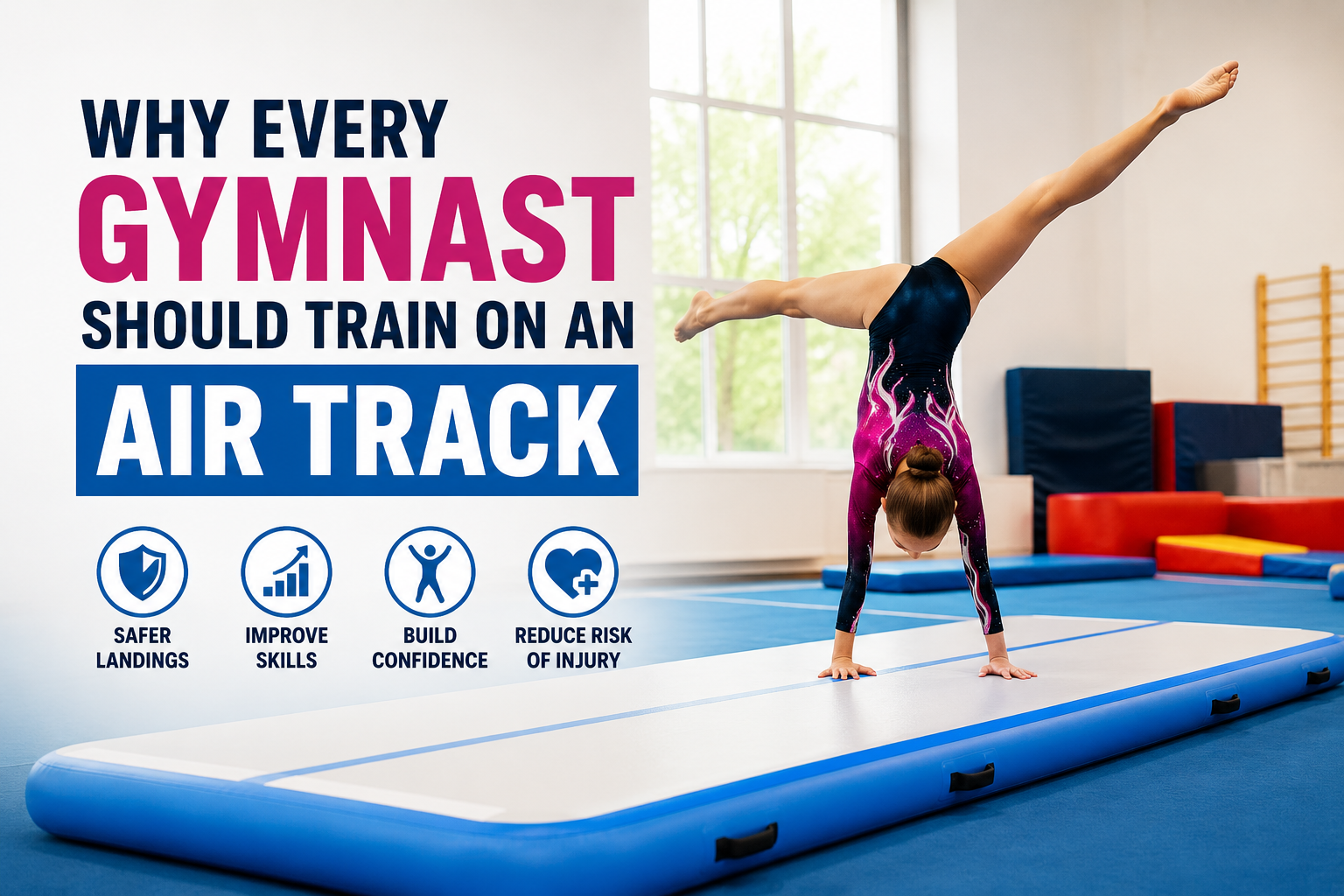
Gymnastics is a sport that demands strength, precision, flexibility, and confidence. Whether I am helping a beginner learn their first cartwheel or supporting an advanced athlete as they perfect complex tumbling passes, one thing remains constant: creating a safe and effective training environment is essential.
Over the years, training equipment has evolved significantly, making it easier for athletes of all ages and skill levels to practice skills with greater confidence. Among the most valuable innovations in gymnastics training is the Airtrack. This inflatable training surface has transformed the way athletes develop new skills, reduce impact during practice, and build confidence in their abilities.
In this article, I’ll share why gymnastics coaches, athletes, and parents increasingly rely on this training solution and how it can support long-term athletic development.
Building Confidence Through Safer Practice
One of the biggest challenges in gymnastics is overcoming fear. Learning new skills often involves stepping outside of a comfort zone. Whether it's attempting a back handspring, front tuck, or aerial, athletes need a training environment that helps them feel secure.
A cushioned training surface provides extra support during practice, reducing the impact of landings compared to many traditional surfaces. This softer landing experience allows gymnasts to focus on technique rather than worrying about falls or mistakes.
When athletes feel safer, they are often more willing to attempt new skills. This increased confidence can lead to faster progression and a more positive training experience overall.
Reducing Stress on the Body
Gymnastics training involves repeated jumping, tumbling, and landing. Over time, these movements can place significant stress on joints, muscles, and connective tissues.
Many athletes train multiple times each week, performing hundreds of repetitions during a single session. Even with proper technique, repetitive impact can contribute to fatigue and discomfort.
An inflatable training mat helps absorb some of the force generated during landings. By reducing the impact transferred to the body, gymnasts may experience less physical strain during training sessions. This can be especially beneficial for younger athletes whose bodies are still developing.
Lower impact training does not replace proper conditioning and recovery, but it can play an important role in supporting athlete wellness.
Supporting Skill Progression
Skill progression is one of the most important principles in gymnastics. Athletes rarely master advanced movements immediately. Instead, they build skills step by step.
For example, a gymnast learning a back handspring may first practice handstand drills, bridge work, and jumping exercises. Once these fundamentals are established, they gradually progress toward the complete skill.
The forgiving nature of an Airtrack creates an ideal environment for this progression. Athletes can focus on improving body positioning, timing, and coordination while receiving additional support from the surface beneath them.
This approach helps bridge the gap between learning a skill and confidently performing it on competition equipment.
Ideal for Athletes of All Levels
One of the reasons inflatable gymnastics mats have become so popular is their versatility.
Beginners can use them to learn foundational skills such as:
- Forward rolls
- Cartwheels
- Handstands
- Round-offs
- Bridges
Intermediate athletes can practice:
- Back walkovers
- Front walkovers
- Back handsprings
- Aerial progressions
Advanced gymnasts can refine:
- Tuck layouts
- Twisting skills
- Tumbling combinations
- Connection passes
Because the firmness can often be adjusted through air pressure, coaches and athletes can create a training surface that matches their specific needs.
Convenient for Home Training
Not every gymnast has access to a full training facility every day. Many athletes supplement their gym sessions with practice at home.
A portable inflatable mat provides an excellent solution for home training. Once inflated, it creates a spacious area for skill development. When not in use, it can be deflated and stored efficiently.
Parents often appreciate the convenience of having a dedicated training space without permanently sacrificing valuable room in the house or garden.
Home practice can be especially useful for reinforcing fundamentals, improving flexibility, and building consistency between formal coaching sessions.
Encouraging Repetition and Mastery
Mastery in gymnastics comes through repetition. Athletes often need hundreds or even thousands of successful repetitions before a skill becomes automatic.
The challenge is maintaining motivation while minimizing the physical wear associated with repetitive practice.
A softer training surface encourages athletes to perform additional repetitions comfortably. This increased practice volume can accelerate learning while helping athletes maintain proper technique.
Rather than limiting training because of fatigue from hard landings, gymnasts can often continue refining movements with greater consistency.
Useful Beyond Gymnastics
While gymnastics remains the most common use, inflatable training mats are also valuable for many other activities.
They are frequently used in:
- Cheerleading
- Parkour
- Martial arts
- Dance training
- Acrobatics
- General fitness programs
This versatility makes them an attractive investment for families, schools, clubs, and recreational facilities.
Athletes from different disciplines can benefit from the same shock-absorbing properties and spacious training area.
Enhancing Coach-Led Training Sessions
As a coach, creating a productive learning environment is one of my highest priorities. Training equipment should support instruction rather than complicate it.
Inflatable mats allow coaches to introduce new skills in a controlled setting. Athletes often feel more comfortable attempting challenging movements, making it easier to provide corrections and feedback.
This can improve communication between coach and athlete while helping athletes remain engaged throughout practice.
The result is often a more enjoyable and efficient training session.
Choosing Quality Equipment Matters
Not all training mats are created equal. Quality construction plays a major role in performance, durability, and safety.
When evaluating options, I recommend considering factors such as:
- Material strength
- Stitching quality
- Air retention
- Surface grip
- Warranty coverage
- Ease of inflation and deflation
Reliable manufacturers invest in high-quality materials and rigorous testing procedures to ensure long-term performance.
Brands like AirTumble have become popular among athletes and coaches who value dependable equipment for both recreational and competitive training environments.
Long-Term Benefits for Athletic Development
Gymnastics is a journey that requires patience and consistent effort. Every athlete progresses at their own pace, and having the right tools can make that journey more enjoyable.
A supportive training environment helps athletes build confidence, improve technique, and remain motivated over time. It also encourages safe skill development by reducing some of the physical stress associated with repeated impact.
Whether the goal is recreational participation, competitive success, or simply staying active, quality training equipment can contribute to long-term growth and enjoyment in the sport.
For athletes, coaches, and parents looking to create a more effective practice environment, an Airtrack can be a valuable addition to any training program. Companies such as AirTumble continue to provide solutions that help gymnasts train with confidence while pursuing their goals.
Final Thoughts
Every gymnast faces challenges while learning new skills. Fear, repetition, and physical demands are all part of the process. However, the right training environment can make those challenges easier to overcome.
By providing enhanced cushioning, supporting skill progression, and encouraging consistent practice, inflatable training mats have become an essential tool for modern gymnastics. They help athletes focus on improvement while building the confidence needed to reach new milestones.
Whether you're a beginner learning your first cartwheel or an experienced gymnast perfecting advanced tumbling combinations, investing in quality training equipment can make a meaningful difference in your development journey.
Frequently Asked Questions
1. What is the main purpose of an inflatable gymnastics training mat?
Its primary purpose is to provide a cushioned surface that helps athletes practice skills more safely while reducing landing impact.
2. Is it suitable for beginners?
Yes. Beginners often use these mats to learn foundational gymnastics skills such as rolls, handstands, and cartwheels.
3. Can adults use inflatable gymnastics mats?
Absolutely. They are suitable for children, teenagers, and adults participating in gymnastics, cheerleading, fitness training, and other athletic activities.
4. How much space is needed for home use?
The required space depends on the mat's dimensions. Always ensure there is adequate clearance around the training area for safe movement.
5. How long does it take to inflate?
Most modern inflatable mats can be fully inflated within a few minutes using the appropriate electric pump.